Sustainable Fashion: A Guide to Building an Eco-Friendly Wardrobe
In an era where environmental consciousness meets style, sustainable fashion has evolved from a niche movement to a crucial aspect of modern wardrobing. This comprehensive guide will walk you through the essentials of building an eco-friendly wardrobe that doesn't compromise on style or quality.
Understanding Sustainable Fashion
Sustainable fashion encompasses more than just using environmentally friendly materials. It's a holistic approach that considers the entire lifecycle of clothing - from production and distribution to use and disposal. The concept revolves around minimizing environmental impact while maximizing social responsibility and ethical practices in the fashion industry.
The Environmental Impact of Fast Fashion
Before diving into sustainable solutions, it's important to understand the problem. The fashion industry is currently responsible for:
- 10% of global carbon emissions - more than international flights and maritime shipping combined
- 20% of global wastewater production
- 85% of textiles ending up in landfills or being incinerated
- Approximately 93 billion cubic meters of water consumption annually
Key Materials in Sustainable Fashion
When building a sustainable wardrobe, choosing the right materials is crucial. Here are some of the most environmentally friendly options:
Organic Cotton
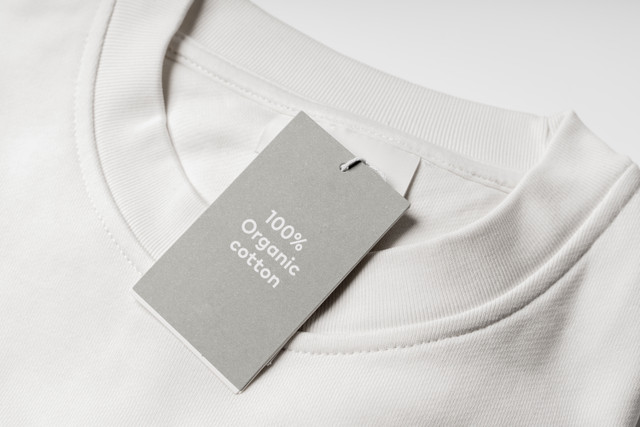
Unlike conventional cotton, organic cotton is grown without harmful pesticides and requires significantly less water. It's perfect for everyday basics like t-shirts, underwear, and casual wear.
Hemp
Hemp is one of the most sustainable fibers available. It requires minimal water, grows quickly without pesticides, and actually improves soil health. Hemp fabric is durable, gets softer with each wash, and is naturally antimicrobial.
Recycled Materials
Recycled polyester (often made from plastic bottles) and recycled cotton are excellent alternatives that give new life to existing materials. These fabrics help reduce waste and require fewer resources to produce.
"The most sustainable garment is the one already in your wardrobe." - This simple truth underlies the importance of buying quality pieces that last.
Building Your Sustainable Wardrobe: A Step-by-Step Approach
1. Audit Your Current Wardrobe
Begin by assessing what you already own. Sort your clothes into categories:
- Keep and wear regularly
- Need repairs or alterations
- Haven't worn in the past year
- No longer fits or suits your style
2. Develop a Capsule Wardrobe Mindset
A capsule wardrobe focuses on versatile, high-quality pieces that can be mixed and matched. This approach naturally leads to more sustainable choices as you'll buy fewer, better-quality items.
Essential Pieces for a Sustainable Wardrobe
| Category | Essential Items | Recommended Materials |
|---|---|---|
| Basics | T-shirts, Tank tops | Organic cotton, Hemp |
| Bottoms | Jeans, Trousers | Recycled denim, Organic cotton |
| Outerwear | Jacket, Coat | Recycled wool, Organic cotton |
Care and Maintenance for Longevity
Sustainable fashion isn't just about buying the right pieces - it's also about maintaining them properly. Here are essential care tips:
- Wash clothes less frequently and at lower temperatures to reduce energy consumption and extend garment life
- Use eco-friendly detergents and avoid fabric softeners which can damage fibers
- Air dry when possible instead of using a dryer
- Learn basic repair skills like sewing buttons and fixing small tears
Shopping Sustainably: Best Practices
When adding new items to your wardrobe, consider these guidelines:
- Research brands' sustainability credentials and look for certified materials
- Consider second-hand and vintage options first
- Invest in quality over quantity
- Choose timeless styles over trending pieces
- Read care labels before purchasing to ensure you can properly maintain the item
The Role of Technology in Sustainable Fashion
Innovation is driving sustainability in fashion forward. New technologies are enabling:
- Blockchain tracking of supply chains for transparency
- Recycling technologies that transform old garments into new fibers
- Digital fitting rooms that reduce returns and waste
- Sustainable dyeing processes that use less water and fewer chemicals
Common Myths About Sustainable Fashion
Let's address some misconceptions:
Myth 1: Sustainable Fashion Is Always Expensive
While sustainable pieces might cost more upfront, they often last longer and provide better value over time. Additionally, second-hand shopping and proper care of existing garments are highly sustainable and cost-effective approaches.
Myth 2: Sustainable Fashion Isn't Stylish
Many contemporary designers and brands are proving that sustainability and style can go hand in hand. The key is finding pieces that align with your personal style while meeting environmental standards.
Looking Forward: The Future of Sustainable Fashion
The fashion industry is at a turning point, with sustainability becoming increasingly central to its future. Emerging trends include:
- Circular fashion systems where nothing goes to waste
- Rental and subscription models for accessing fashion
- Bio-fabricated materials created in laboratories
- Advanced recycling technologies
Conclusion
Building a sustainable wardrobe is a journey, not a destination. Start with small steps, make mindful choices, and gradually transition to a more sustainable approach to fashion. Remember that every choice matters, and collectively, our decisions can drive significant change in the fashion industry.
By following these guidelines and making conscious choices, you can create a wardrobe that's not only stylish but also contributes to a more sustainable future for fashion. Start implementing these changes today, and you'll be surprised at how satisfying and stylish sustainable fashion can be.