Fashion Tech Revolution: How Technology is Reshaping the Way We Dress
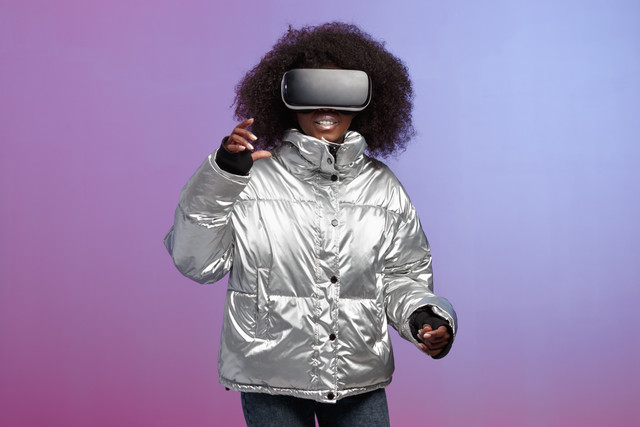
The fashion industry is undergoing a revolutionary transformation, driven by technological innovations that are changing how we shop, wear, and interact with our clothes. From artificial intelligence to smart fabrics, let's explore the cutting-edge developments that are shaping the future of fashion.
The Digital Shopping Revolution
Virtual Try-Ons and Augmented Reality
One of the most significant technological advances in fashion retail is the implementation of virtual try-on technology. This innovation is revolutionizing how we shop online by:
- Using AI to create accurate body measurements from photos or smartphone scans
- Allowing customers to see how clothes will look on their actual body shape
- Reducing return rates by helping customers make more informed purchases
- Providing a fun, interactive shopping experience that bridges the gap between digital and physical retail
AI-Powered Personal Styling
Artificial Intelligence is becoming the new personal shopper, offering sophisticated style recommendations based on:
- Past purchase history and browsing behavior
- Personal style preferences and lifestyle needs
- Current trends and seasonal appropriateness
- Body type and color compatibility
"Technology is not just changing how we shop for fashion - it's fundamentally altering how we interact with our clothes and express ourselves through what we wear."
Smart Fabrics and Wearable Technology
Innovation in Textile Technology
Smart fabrics are revolutionizing the functionality of our clothing through:
| Technology | Function | Applications |
|---|---|---|
| Thermoregulating Fabrics | Temperature Control | Activewear, Outerwear |
| Conductive Threads | Digital Integration | Smart Clothing, Health Monitoring |
| Self-Cleaning Fabrics | Maintenance | Everyday Wear, Workwear |
| Color-Changing Materials | Aesthetic | Fashion, Performance Wear |
Wearable Technology Integration
The convergence of fashion and technology has led to innovative wearable solutions:
- Smart jackets with built-in heating elements and smartphone controls
- Fitness wear that monitors vital signs and performance metrics
- Accessories that can receive notifications and track activity
- Shoes that adapt to different activities and environments
Sustainable Technology in Fashion
Eco-Friendly Production Methods
Technology is enabling more sustainable fashion production through:
- 3D printing techniques that reduce waste and enable made-to-order production
- Digital sampling that eliminates the need for physical prototypes
- AI-powered inventory management to prevent overproduction
- Blockchain technology for supply chain transparency
Innovative Recycling Solutions
New technologies are revolutionizing how we recycle and reuse clothing:
- Chemical recycling processes that break down mixed fibers
- AI-powered sorting systems for more efficient recycling
- Digital platforms for clothing resale and rental
- Fabric-to-fabric recycling technologies
The Future of Fashion Retail
Digital Showrooms and Virtual Fashion
The retail experience is being transformed through:
- Virtual showrooms that offer immersive shopping experiences
- Digital-only fashion items for social media and gaming
- Holographic displays and interactive store windows
- Social shopping integration with virtual try-on capabilities
Personalization and Custom Manufacturing
Technology is enabling unprecedented levels of personalization:
- Body scanning for perfect-fit custom clothing
- AI-driven design tools for personalized fashion
- On-demand manufacturing reducing waste and inventory
- Mass customization becoming more accessible
Impact on Fashion Design and Creation
AI in Design
Artificial Intelligence is revolutionizing the design process through:
- Trend prediction and analysis
- Generative design tools
- Pattern optimization
- Color and texture combinations
3D Design and Digital Prototyping
Digital tools are streamlining the design process:
- Virtual sampling reducing material waste
- Rapid prototyping capabilities
- Enhanced collaboration possibilities
- More sustainable design practices
The Rise of Smart Retail Spaces
Interactive Shopping Experiences
Physical retail spaces are being enhanced with:
- Smart mirrors with virtual try-on capabilities
- RFID tracking for inventory management
- Mobile point-of-sale systems
- Automated customer service solutions
Challenges and Considerations
Privacy and Data Security
As fashion becomes more tech-integrated, important considerations include:
- Protection of customer data and measurements
- Secure payment systems
- Ethical use of AI and personal information
- Transparency in data collection and usage
Accessibility and Adoption
Key challenges in fashion tech adoption include:
- Cost barriers for smaller retailers
- Technical infrastructure requirements
- Consumer education and acceptance
- Integration with existing systems
Looking Ahead: The Next Wave of Fashion Tech
The future of fashion technology holds exciting possibilities:
- Advanced biotextiles that adapt to environmental conditions
- Integration of augmented reality in everyday fashion
- More sophisticated AI-driven personalization
- Enhanced sustainability through technology
Conclusion
The fusion of fashion and technology is creating unprecedented opportunities for innovation in how we design, produce, sell, and wear clothing. As these technologies continue to evolve, we can expect even more exciting developments that will make fashion more sustainable, personalized, and functional than ever before. The future of fashion is not just about style - it's about smart, sustainable, and technologically enhanced experiences that cater to the modern consumer's needs.