Fashion Through the Ages: How History Shapes Modern Style
Fashion is cyclical, with trends constantly evolving and reinventing themselves while drawing inspiration from the past. Understanding this rich history helps us appreciate current trends and anticipate future directions in style.
"Fashion is not something that exists in dresses only. Fashion is in the sky, in the street; fashion has to do with ideas, the way we live, what is happening." - Coco Chanel
Key Fashion Eras and Their Modern Influence
| Era | Key Characteristics | Modern Interpretations |
|---|---|---|
| 1920s | Flapper style, dropped waists | Modern sequins, fringe details |
| 1950s | Full skirts, feminine silhouettes | Retro-inspired dresses, midi lengths |
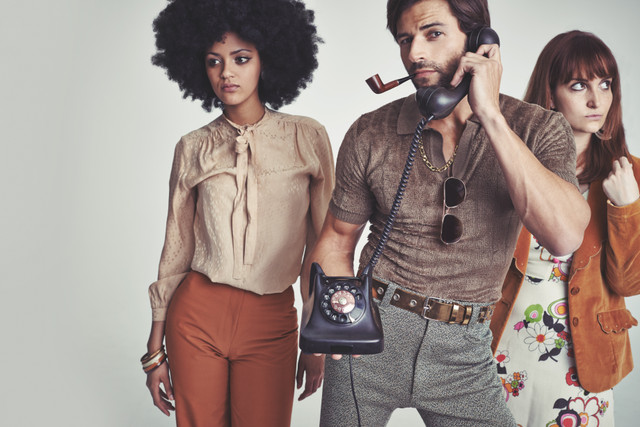
| 1970s | Bohemian style, bell-bottoms | Boho-chic, wide-leg pants |
| 1990s | Minimalism, grunge | Streetwear, normcore |
The Evolution of Silhouettes
Historical Shapes
Key silhouettes that defined fashion history:
- Empire waist of the Regency era
- Hourglass silhouette of the Victorian period
- Loose, straight cuts of the 1920s
- Structured shoulders of the 1940s
Modern Interpretations
How historical silhouettes influence current fashion:
- Updated empire waist in contemporary dresses
- Modern takes on the hourglass shape
- Relaxed fits inspired by the 1920s
- Power shoulders in modern suiting
Fabric Innovation Through History
Historical Textiles
Evolution of fabric technology:
- Natural fibers in ancient civilizations
- Silk trade influence on fashion
- Industrial Revolution's impact on textiles
- Development of synthetic materials
Modern Fabric Technology
Contemporary innovations in textiles:
- Smart fabrics with embedded technology
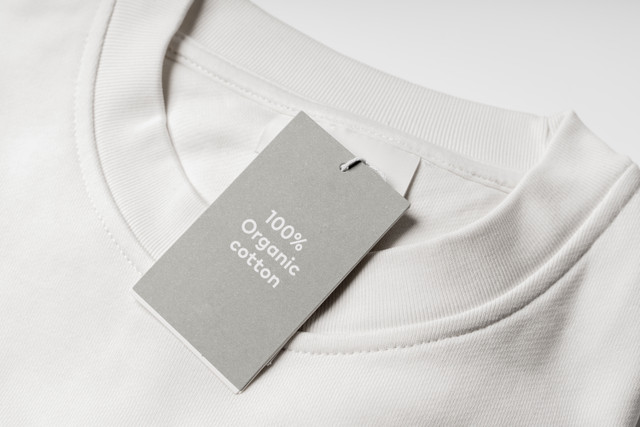
- Sustainable material developments
- Performance fabric innovations
- Eco-friendly synthetic alternatives
Color Trends Through Time
Historical Color Significance
The evolution of color in fashion:
- Purple as a symbol of royalty
- Natural dyes in ancient clothing
- Industrial age synthetic colors
- Post-war color explosions
Iconic Fashion Movements
Revolutionary Style Changes
Major movements that changed fashion:
- The New Look by Christian Dior
- Youthquake of the 1960s
- Punk movement of the 1970s
- Minimalism of the 1990s
Fashion Cycles and Trend Prediction
Understanding Trend Cycles
How fashion trends evolve and return:
- 20-year trend cycle pattern
- Influence of social movements
- Impact of technology
- Role of social media
Historical Influences on Modern Accessories
Evolution of Accessories
How accessories have transformed:
- From functional to decorative pieces
- Technology's impact on accessories
- Revival of vintage styles
- Modern interpretations of classics
Fashion Icons Through History
Influential Figures
People who shaped fashion history:
- Marie Antoinette's influence on 18th-century style
- Coco Chanel's revolutionary designs
- Princess Diana's fashion impact
- Contemporary fashion influencers
Cultural Movements and Fashion
Social Impact
How society shapes fashion:
- Women's rights movement influence
- Counterculture fashion statements
- Sustainable fashion movement
- Digital age impact
Future of Fashion
Emerging Trends
Looking ahead in fashion:
- Technology integration in clothing
- Sustainable fashion evolution
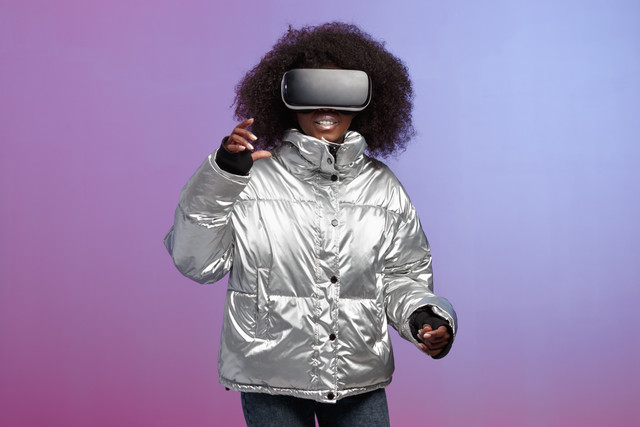
- Virtual fashion experiences
- Personalization technologies
Preserving Fashion History
Conservation Efforts
Keeping fashion history alive:
- Museum collections and exhibits
- Digital archives and documentation
- Vintage fashion preservation
- Educational initiatives
The Role of Technology
Digital Evolution
Technology's impact on fashion:
- 3D printing in fashion design
- Digital fashion shows and presentations
- Virtual try-on technology
- Social media influence
Sustainable Fashion History
Evolution of Eco-Fashion
The development of sustainable practices:
- Traditional sustainable methods
- Rise of eco-consciousness
- Modern sustainable innovations
- Future of sustainable fashion
Conclusion
Understanding fashion history is crucial for appreciating current trends and anticipating future developments in style. As we continue to see the cyclical nature of fashion, historical influences remain relevant while being reinterpreted through modern lenses. This connection between past and present not only enriches our understanding of fashion but also helps us make more informed choices about our personal style and the future of fashion as a whole.